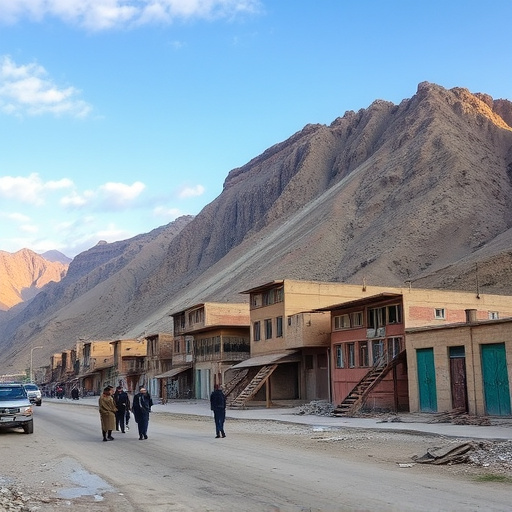
Afghanistan's healthcare system is severely challenged by political instability, conflict, and limited resources, affecting access to quality care, especially in rural areas. Overstretched facilities, remote locations, and a shortage of trained professionals exacerbate existing issues, hindering delivery of essential supplies and services, and complicating the provision of adequate healthcare for Afghans.
Afghanistan’s healthcare system faces formidable challenges, exacerbated by decades of conflict and political instability. From limited infrastructure and a severe shortage of medical professionals to inadequate access to essential medicines and basic sanitation, Afghans struggle to secure quality healthcare. The ongoing humanitarian crisis, climate change, and socio-cultural barriers further complicate efforts to build resilient and sustainable health services. This article delves into these issues, exploring the paths toward strengthening Afghanistan’s broken healthcare system.
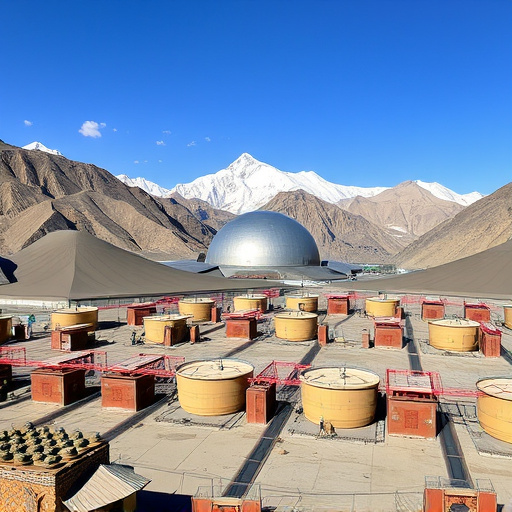
Afghanistan’s healthcare system faces numerous challenges, exacerbated by years of political instability and conflict. Access to quality medical care is severely limited, particularly in rural areas where infrastructure is lacking and health facilities are scarce. The ongoing refugee crisis, resulting from decades of war, has put immense pressure on an already overstretched healthcare network, with many facilities struggling to cope with the influx of displaced populations.
The country’s remote locations and challenging terrain make it difficult to deliver essential medical supplies and services. Additionally, a lack of trained healthcare professionals, including doctors, nurses, and midwives, contributes to the system’s weaknesses. Limited educational opportunities and unsafe working conditions have discouraged many skilled workers from entering or remaining in the sector, further hindering Afghanistan’s ability to provide adequate healthcare for its citizens.
API responded with status code 504.
The healthcare system in Afghanistan faces significant challenges due to years of political instability, conflict, and limited resources. One pressing issue is the inadequate infrastructure, with many hospitals and clinics lacking essential equipment and reliable power supplies, especially in rural areas. This deficiency hinders basic medical services and emergency care, particularly during critical situations like epidemics or natural disasters.
Moreover, Afghanistan’s healthcare sector struggles with a severe shortage of trained medical professionals. Years of war and migration have led to a brain drain, leaving the country with an insufficient number of doctors, nurses, and specialists. The situation is exacerbated by limited educational opportunities and unsafe working conditions, which discourage both local talent and international aid workers from committing long-term. These challenges, combined with economic constraints and a fragile political landscape, create a complex web of obstacles in providing quality healthcare to the Afghan population.
Afghanistan’s healthcare system faces significant challenges, from limited infrastructure and access in rural areas to a lack of trained medical personnel and essential supplies. The ongoing political instability and economic struggles further exacerbate these issues. However, with focused efforts to strengthen healthcare infrastructure, improve training programs, and ensure sustainable funding, there is hope for improvement, enabling Afghanistan to take strides towards ensuring better health outcomes for its citizens.