
Afghanistan's women have navigated a complex historical journey, with cultural and religious influences restricting their roles. Despite this, the 20th century saw a rise in women's rights and education, leading to increased public participation. Post-Taliban, access to education and health services challenged stereotypes. While religion continues to shape societal attitudes, modern initiatives focus on providing girls with quality education. This progress promises a more inclusive society, with Afghan women taking diverse roles and breaking barriers in politics, arts, and more.
In Afghanistan, women’s roles have evolved significantly over time, yet persistent challenges remain. This article delves into the historical context of women’s evolution in the country, exploring cultural perspectives that blend traditional roles with modern influences. We examine education and empowerment efforts, highlighting advancements while acknowledging barriers. The political landscape is also scrutinized, revealing the lack of representation and the need for inclusion. Through a journey of challenges and victories, we illuminate Afghanistan’s path towards gender equality.
- Historical Context: Women's Evolution in Afghanistan
- Cultural Perspectives: Traditional Roles and Modern Influences
- Education and Empowerment: Breaking Barriers
- Political Participation: Voices Unheard, Decisions Unmade
- Challenges and Victories: A Journey Towards Equality
Historical Context: Women's Evolution in Afghanistan
In the historical context of Afghanistan, women’s evolution has been marked by both progress and setbacks. Historically, Afghan society was shaped by various cultural, political, and religious influences, which often led to limited opportunities for women. For centuries, traditional roles dictated that women primarily stay within the domestic sphere, with their lives centered around family and community. However, as Afghanistan navigated through different eras, from monarchies to modern times, a slow yet significant shift began. The 20th century witnessed a growing demand for women’s rights and education, with pioneering efforts to establish girls’ schools and promote female literacy. This historical evolution set the stage for women in Afghanistan to challenge societal norms and carve out their place in public life.
The country’s journey towards modern times has been transformative. With the fall of the Taliban regime in 2001, Afghanistan experienced a surge in opportunities for women, particularly in the fields of education and health. Higher education institutions in Afghanistan flourished, offering more girls and women access to knowledge and skills. This period saw an increase in female enrollment and participation in various disciplines, challenging traditional stereotypes. However, despite these advancements, the impact of religion on daily life remains a complex factor, influencing societal attitudes towards women’s roles and rights. As Afghanistan continues to rebuild and define its future, ensuring equal opportunities for women is crucial, especially considering the country’s rich cultural heritage and the best time to visit Afghanistan when its vibrant landscapes are in full bloom.
Cultural Perspectives: Traditional Roles and Modern Influences
In Afghanistan, cultural perspectives have long been shaped by traditional roles where women’s primary responsibilities often revolved around family and domestic life. This societal perception has deep roots in historical norms, with women traditionally viewed as caregivers and nurturers within their communities. However, modern influences have gradually begun to shift these narratives. The latest political developments in the country have sparked conversations about gender equality and the importance of empowering women. As a result, there’s a growing recognition that women can and should play diverse roles beyond the domestic sphere.
Despite challenges, including limited access to medical facilities in Afghanistan, initiatives focused on providing girls with education are gaining traction. Organizations working on the ground are making strides in ensuring young Afghan women have opportunities to access quality education, which is crucial for their personal growth and future prospects. This shift towards greater gender equality is not just about rights but also has significant implications for the country’s development. As Afghanistan continues to navigate its contemporary landscape, giving us a call at Access to Education for Girls can provide insights into how best to support these efforts and foster a more inclusive society. The best time to visit Afghanistan may soon be marked by a newfound recognition of women’s capabilities across various sectors.
Education and Empowerment: Breaking Barriers
Political Participation: Voices Unheard, Decisions Unmade
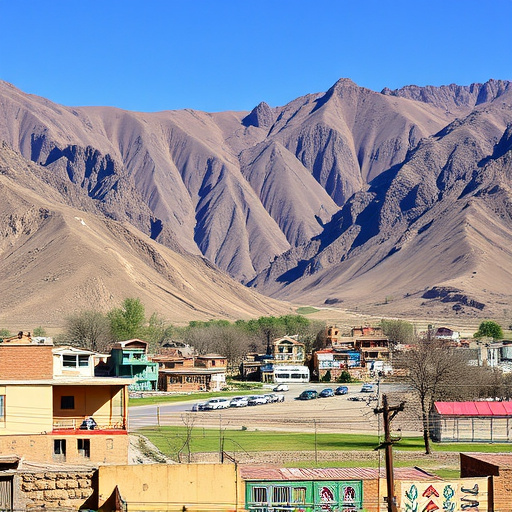
In Afghanistan, women’s political participation has been a topic of both progress and challenge. Despite significant strides in securing women’s rights in modern Afghanistan, including the right to vote and run for office, their voices remain largely unheard in decision-making processes. This is evident in the underrepresentation of female politicians in the country’s government and public institutions. Many women face barriers such as cultural norms, security concerns, and limited access to education and training, hindering their ability to engage actively in politics. Learning Pashto or Dari, the official languages, can be a significant step for foreign women interested in contributing to Afghanistan’s political landscape, enabling better communication and understanding of local issues.
The situation highlights the complex interplay between culture and governance. While Afghanistan has made efforts to promote women’s rights, cultural norms often dictate gender roles that limit women’s participation in public life. As visitors exploring the country, it’s essential to recognize these nuances and support initiatives that empower Afghan women. Find us at the best time to visit Afghanistan, and join the ongoing conversation about fostering a more inclusive society where women can fully realize their potential, not just in politics but in all spheres of modern Afghanistan’s culture.
Challenges and Victories: A Journey Towards Equality
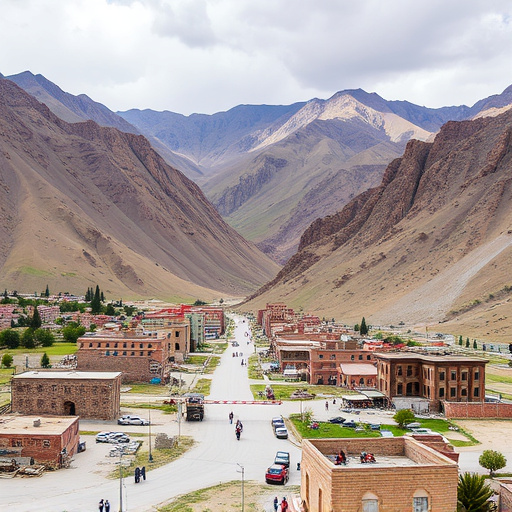
Despite the challenging historical context, women in modern Afghanistan have made significant strides towards equality and empowerment. Many Afghan women have defied societal norms and taken up prominent roles in various sectors, from politics to education and arts. This journey has been marked by both setbacks and victories, with one of the most notable achievements being the establishment of art exhibitions in Kabul that showcase their creativity and talents. These events not only provide a platform for artistic expression but also serve as a powerful medium to challenge traditional gender roles and promote women’s rights in modern Afghanistan.
However, challenges remain. The country’s complex social dynamics and political landscape continue to pose obstacles for women’s full participation in public life. Issues such as access to education, employment opportunities, and safety still plague many Afghan women. Yet, their resilience and determination are evident in their ongoing efforts to break barriers. Many organizations and initiatives focused on empowering women have emerged, and they actively work towards creating a more inclusive society. Even in the face of adversity, these women inspire change, making Afghanistan a better place for future generations. Moreover, affordable travel to Afghanistan is becoming increasingly accessible, allowing more people to witness and support these developments firsthand. Visit us at travel advisories for Afghanistan anytime to learn more about this remarkable journey towards equality.
In modern Afghanistan, women are no longer confined to traditional roles; they are actively breaking barriers and reclaiming their place in society. Through education, empowerment, and political participation, Afghan women have made significant strides towards equality. While challenges persist, the resilience and strength displayed by these women serve as a testament to their unwavering pursuit of rights and opportunities. As Afghanistan continues to evolve, it is imperative to recognize and support the vital role women play in shaping the nation’s future.