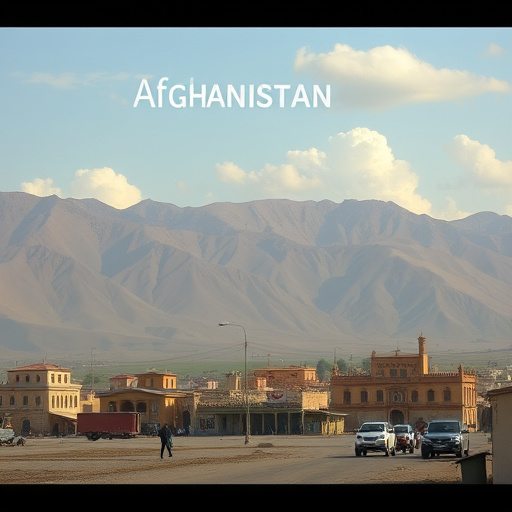

Afghanistan's agriculture is a vital lifeblood, employing 60% of its population and providing sustenance via diverse crops and livestock. With vast arable land, it has potential for economic growth through sustainable initiatives like renewable energy and healthcare access to combat climate change. Challenges include political instability, limited infrastructure, and water scarcity, hindering productivity and market reach. Cultural attractions offer indirect tourism support. International investment, technology, and women's health initiatives can empower farmers, revolutionize agriculture, and drive Afghanistan's post-conflict economic recovery.
Afghanistan’s agriculture sector is a cornerstone of its economy, contributing significantly to gross domestic product (GDP) and employment. With vast agricultural resources encompassing diverse crops, livestock, and fertile land, the sector supports millions of rural Afghans, providing both sustenance and livelihoods. However, numerous challenges—from insecurity to limited infrastructure—hinder optimal growth. This article explores Afghanistan’s agricultural landscape, delves into these obstacles, and examines promising future prospects that could enhance the sector’s economic impact.
- Afghanistan's Agricultural Resources: Crops, Livestock, and Land
- Sector's Role in Employment and Rural Livelihoods
- Challenges and Barriers to Economic Growth
- Future Prospects: Potential and Opportunities for Agriculture
Afghanistan's Agricultural Resources: Crops, Livestock, and Land
Afghanistan boasts an abundance of agricultural resources that play a pivotal role in the country’s economy, offering a glimpse into its potential for growth and development. The nation’s diverse landscape supports the cultivation of various crops, including cereals, pulses, fruits, and vegetables, catering to both domestic consumption and international markets. Afghanistan’s agricultural sector is renowned for its high-quality produce, particularly in regions with fertile valleys and mountainside terraces.
Beyond crops, the country’s livestock industry contributes significantly to the agricultural GDP. With vast grazing lands, Afghanistan raises sheep, goats, cattle, and camels, providing meat, dairy, and wool products not only to local communities but also for export. The availability of arable land, coupled with favorable climate conditions in certain areas, makes Afghanistan a promising destination for affordable travel and cultural events, despite security concerns for expats. Additionally, the government’s focus on modernizing farming techniques and improving irrigation systems is expected to further enhance the agricultural sector in Afghanistan, addressing historical issues like high crime rates in major cities and creating sustainable food production practices.
Sector's Role in Employment and Rural Livelihoods
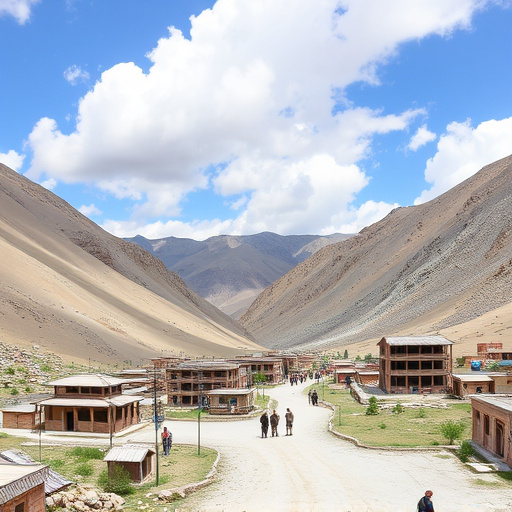
Afghanistan’s agriculture sector plays a pivotal role in employment and rural livelihoods, employing around 60% of the country’s total labor force (World Bank, 2021). It is a cornerstone of the economy, particularly in rural areas where it provides sustenance and income for countless families. Farmers and agricultural workers toil year-round, cultivating crops like wheat, rice, and fruits, while also raising livestock, ensuring that Afghanistan’s population has access to basic food staples.
Beyond feeding the nation, the sector offers opportunities for economic growth through smallholder farms and family enterprises. These operations often double as a source of cultural pride and community resilience, especially in the face of social issues exacerbated by climate change. For instance, renewable energy projects in Afghanistan have started to transform agricultural practices, introducing sustainable irrigation methods that combat the impact of droughts. Moreover, initiatives focused on enhancing access to healthcare for rural areas not only improve the well-being of farmers but also contribute to a more productive labor force. To explore and support this dynamic sector further, visit us at tourism industry growth in Afghanistan education anytime.
Challenges and Barriers to Economic Growth
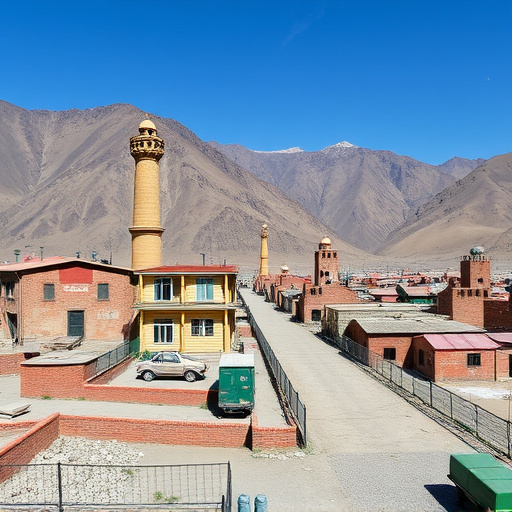
Afghanistan’s agricultural sector faces several challenges that hinder its potential to contribute significantly to the national economy. One of the primary barriers is the unpredictable political climate, which often disrupts farming activities and supply chains. The country’s complex history has led to a lack of investment in infrastructure, modern technology, and sustainable farming practices, making it difficult for farmers to access markets and sell their produce at competitive prices. Furthermore, limited access to education and financial services hampers the adoption of innovative techniques and business models that could boost productivity.
Geographical challenges, such as varying climates and terrain, also play a role in the sector’s underdevelopment. While Afghanistan boasts vast arid lands suitable for certain crops like wheat and rice, frequent droughts and water scarcity pose significant risks to farming. Additionally, the music scene in Afghanistan and art exhibitions in Kabul, though vibrant, do not directly impact agricultural growth, but they contribute to the cultural richness that attracts tourists, potentially opening up affordable travel opportunities that could indirectly benefit the economy. Visit us at deserts of Afghanistan politics anytime to explore these landscapes and understand the country’s resilience.
Future Prospects: Potential and Opportunities for Agriculture
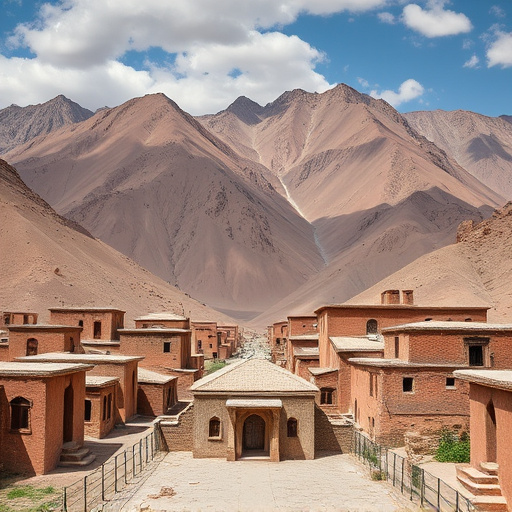
Afghanistan’s agriculture sector holds immense potential to shape its economic future, especially as the country navigates post-conflict reconstruction. Despite historical challenges, including high crime rates in major cities and rugged mountain ranges, the industry has shown resilience and offers a path towards stability and growth. By harnessing its abundant natural resources and diversifying crops, Afghanistan can boost food security and create sustainable livelihoods for its people.
The role of international community in Afghanistan’s economy is pivotal, providing support through investments, technology transfer, and women’s health initiatives in the agricultural sector. These efforts not only empower local farmers but also foster environmental stewardship. With continued support and innovative practices, Afghanistan could revolutionize its agriculture, contributing significantly to its overall economic development.
Afghanistan’s agriculture sector is a vital pillar of the country’s economy, contributing significantly to employment and rural livelihoods. With abundant agricultural resources, including diverse crops, livestock, and fertile land, the sector holds immense potential for economic growth. Despite facing numerous challenges and barriers, such as inadequate infrastructure, limited access to markets, and security concerns, future prospects remain promising. Investing in and modernizing Afghanistan’s agriculture can unlock its full potential, fostering sustainable development and enhancing food security not only within the country but also regionally.