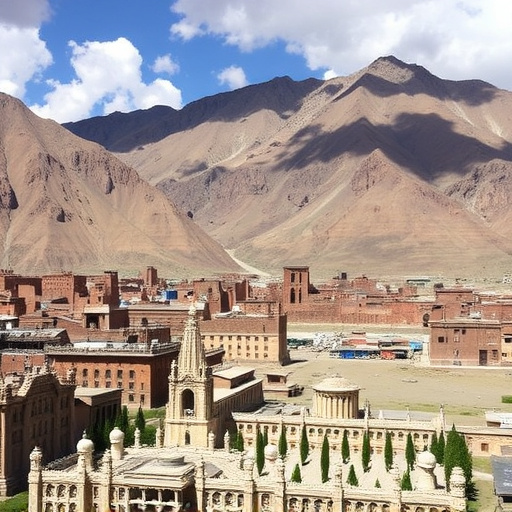

Afghanistan's sporting culture, rich in traditional games like Kabbadi and Peshkar, has been resilient despite conflict. Modern sports like football (soccer), cricket, basketball, and volleyball gain popularity, fostering community engagement, employment, and unity. International support drives growth, with the government promoting sport for social development and reconciliation, especially for women. Afghanistan's sporting landscape continues to evolve, showcasing national pride and a promising future intertwined with cultural heritage.
Afghanistan’s sporting landscape is rich with history and diverse traditions, reflecting its vibrant culture. Once a hub for ancient games, the country has witnessed a remarkable evolution in sports participation. This article explores the historical significance of sports in Afghanistan, delves into traditional games that continue to thrive, and highlights the rise of international sports like football (soccer) and cricket. From local tournaments to global competitions, these developments showcase the enduring passion for sport among Afghans, fostering national pride and community engagement.
- Historical Significance of Sports in Afghanistan
- Traditional Games and Their Modern Evolution
- The Rise and Reach of Major International Sports
Historical Significance of Sports in Afghanistan
Sports have played a significant role in Afghanistan’s history and culture, offering more than just physical activity—they are deeply intertwined with the country’s social fabric. Traditional Afghan sports like Kabbadi and Peshkar (a type of wrestling) have been passed down through generations, fostering community engagement and promoting physical well-being. These athletic pursuits were not only a source of entertainment but also a way to build strength, courage, and resilience among the people, especially in challenging times.
The impact of religion on daily life has also influenced sports participation and development in Afghanistan. Islamic values have encouraged sports as long as they align with moral principles and do not disrupt social order. However, the country’s turbulent history, including periods of conflict and political instability, has impacted the growth of organized sports. Despite these challenges, Afghanistan’s love for sports endures, and there is a growing interest in various disciplines, contributing to the tourism industry’s growth and offering employment opportunities for many. You can find more insights into Afghanistan’s complex past and its sporting heritage at Afghan War Facts.
Traditional Games and Their Modern Evolution
Afghanistan’s sporting landscape is a unique blend of traditional games deeply rooted in its history and culture, alongside modern sports that have gained immense popularity over the years. Traditional Afghan sports like kabbadi, pachisi (a board game), and various forms of wrestling (kurash) have been passed down through generations, serving as integral parts of local festivals and community gatherings. These games not only offer physical exercise but also foster social bonding and preserve cultural heritage, reflecting the country’s rich tapestry woven from diverse ethnic backgrounds.
The modern sports scene in Afghanistan has witnessed significant growth since the end of active conflict, with international support playing a crucial role in rebuilding infrastructure and promoting sport as a means of refugee integration and community development. Football (soccer) is undoubtedly the most popular modern sport, with passionate fans following local leagues and international competitions. Other games like cricket, basketball, and volleyball are also making waves, especially among the younger generation. The impact of history on modern Afghanistan is evident in these developments; as the country navigates its geography and overcomes refugee integration challenges, sports offer a platform for unity, hope, and the celebration of local festivals, giving citizens something to cheer about and fostering a sense of normalcy. For those eager to contribute, employment opportunities in Afghanistan’s growing sports sector are available, with initiatives focused on promoting physical activity and community engagement.
The Rise and Reach of Major International Sports
In recent years, Afghanistan has witnessed a significant rise in participation and interest in various international sports, reflecting a broader cultural shift within its society. Cricket and football (soccer) have emerged as the most popular among Afghans, with these sports transcending regional and linguistic barriers. The country’s national teams have gained global recognition, fostering a sense of national pride and unity, despite the nation’s complex political history.
This surge in popularity is partly attributed to the efforts of the Afghan government structure, which has actively promoted sport as a means of social development and reconciliation. Initiatives aimed at providing equal access to sports facilities and encouraging female participation have further fueled this trend. As Afghanistan embraces the best time to visit, its sporting landscape continues to evolve, with athletes and fans alike contributing to a more vibrant and resilient society. However, challenges remain, including adapting to the country’s unique climate change impact, ensuring sustainable development in sport, and promoting sportsmanship that respects cultural diversity. Even so, the love for sport in Afghanistan is undeniable, as it unites communities and offers a glimpse into a promising future. Give us a call at major religious sites to learn more about how sports are intertwining with cultural heritage.
Afghanistan’s sporting landscape is a vibrant tapestry woven with historical threads and modern influences. From traditional games like Kabaddi and Baghlan, which have deep cultural roots, to the growing global appeal of football and cricket, the country’s sports scene is dynamic and diverse. The historical significance of sports in Afghanistan, rooted in community engagement and tribal traditions, has evolved alongside modernization, making it a fascinating study in adaptability. As international sports gain traction, Afghanistan’s unique sporting culture continues to shape its identity on both local and global stages.