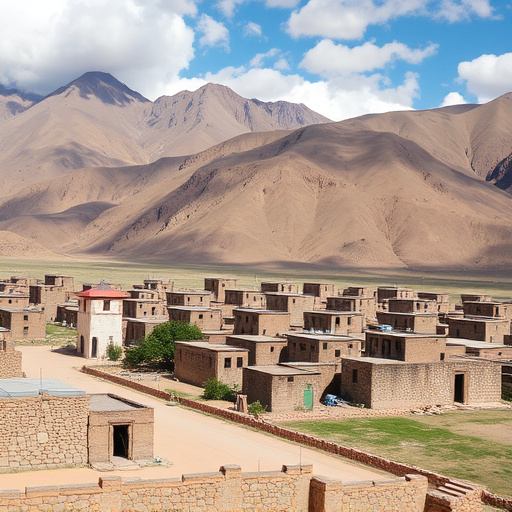

Afghanistan's economy centers around agriculture and diverse natural resources, with rich cultural heritage attracting tourism. Mining sector holds immense promise but faces challenges from inadequate infrastructure to security issues. Services and trade sectors thrive, supported by skilled labor from higher education institutions. Agricultural modernization and international partnerships unlock potential while preserving cultural heritage for sustainable economic growth.
Afghanistan’s economy is a complex tapestry woven with threads of agriculture, natural resources, and services. The country’s agricultural sector, deeply rooted in its land and people, serves as the backbone of its sustenance and traditional income sources. Mining and natural resources, abundant yet challenging to harness, hold immense potential for economic growth. Meanwhile, the service industry and trade play a pivotal role in fostering resilience and driving Afghanistan’s economic narrative forward.
- Agriculture: Backbone of Afghanistan's Land and People
- Mining and Natural Resources: Potential and Challenges
- Services and Trade: Driving Economic Growth and Resilience
Agriculture: Backbone of Afghanistan's Land and People
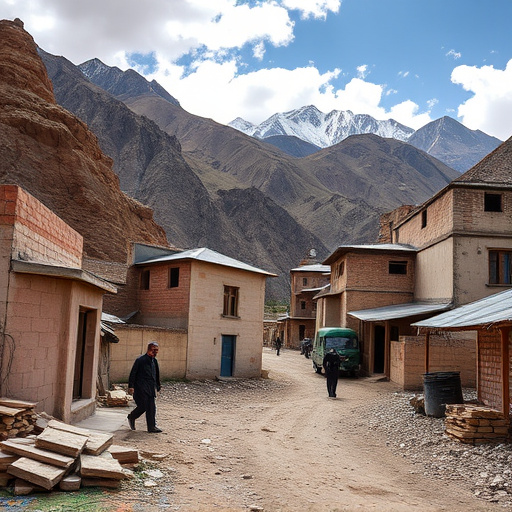
Afghanistan’s economy is deeply rooted in its agricultural sector, which serves as the backbone of both the land and its people. The country boasts vast stretches of fertile land ideal for cultivating a diverse range of crops, from wheat and rice to fruits and vegetables. This agricultural prowess not only sustains Afghanistan’s population but also plays a crucial role in its export market, providing affordable travel options and contributing significantly to the national GDP.
Major religious sites and historical landmarks scattered across the country further attract visitors, encouraging tourism during the best time to visit Afghanistan when the weather is favorable. Beyond agriculture, employment opportunities in Afghanistan are expanding, with initiatives focused on diversifying the economy. These efforts aim to create sustainable growth while preserving the nation’s rich cultural heritage, making it an intriguing destination for both investors and travelers alike.
Mining and Natural Resources: Potential and Challenges
Afghanistan boasts significant mineral wealth, including vast deposits of iron ore, coal, copper, gold, and rare earth metals, making its mining sector a promising area for economic growth. These natural resources have long been a cornerstone of Afghanistan’s history, with key historical sites in the country reflecting centuries of trade and commerce. However, years of conflict and political instability have hindered the development of this sector.
Despite its potential, the mining industry faces numerous challenges. Inadequate infrastructure, limited access to technology, and security concerns make it difficult to explore and extract resources efficiently. Additionally, environmental considerations and the need for sustainable practices are essential as Afghanistan navigates its path towards economic prosperity. With the right investments in infrastructure and education, and by addressing water scarcity solutions, the country can unlock its mining potential while ensuring a brighter future for its tourism industry growth. Travel advisories for Afghanistan, focusing on safety and stability, will also play a crucial role in attracting foreign investment and fostering the development of this vital sector.
Services and Trade: Driving Economic Growth and Resilience
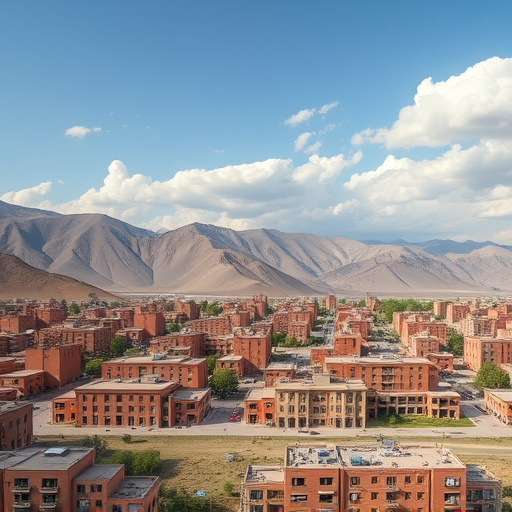
Afghanistan’s economy has traditionally been driven by its vibrant services sector and dynamic trade networks. This sector is a key pillar, fostering economic growth and resilience in the face of challenges like water scarcity solutions and geographical barriers. The country’s diverse range of higher education institutions in Afghanistan play a crucial role in cultivating skilled labor, contributing to the expansion of various industries, including agriculture.
The agricultural sector in Afghanistan holds significant potential, despite historical obstacles. By leveraging modern techniques and fostering international trade partnerships, the nation can enhance its economic stability further. Additionally, the country’s rich cultural heritage and language diversity are assets that attract global interest. Encouraging foreign investment and promoting local entrepreneurship, especially in sectors like health and education, will ensure a sustainable and robust economy for all Afghans. Visit us at learning Pashto or Dari anytime to explore more insights into Afghanistan’s economic landscape.
Afghanistan’s economy is a complex tapestry woven with threads of agriculture, natural resources, and services. While challenges remain, particularly in mining sector development and infrastructure, the country’s resilience is evident through its vibrant services and trade sectors. With continued investment and support, Afghanistan’s economic potential could flourish, transforming its landscape and fostering prosperity for its people.