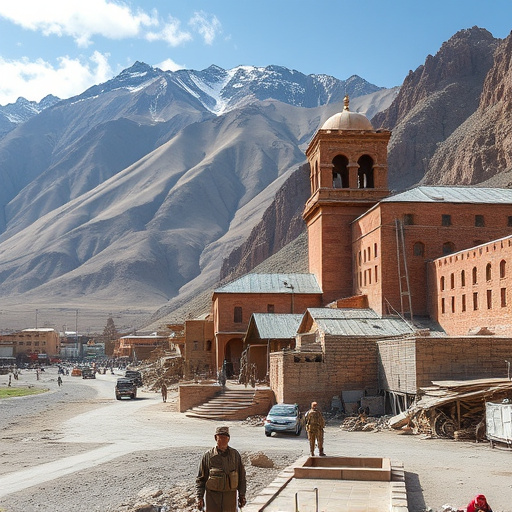

Afghanistan's healthcare system faces significant challenges due to its history of conflict, leading to inadequate infrastructure, resource shortages, and bureaucratic hurdles. Cultural diversity and geographical isolation further complicate access to medical care, especially in rural areas. Despite these obstacles, local communities and international aid agencies are partnering to improve healthcare delivery. The country requires investment in agricultural sectors, capacity building for healthcare workers, and innovative solutions to address disparities in urban-rural health services, particularly for women's health initiatives. Sustainable improvements demand a sustained commitment to overcome political instability and cultural barriers.
Afghanistan’s healthcare system faces formidable challenges, hindering its ability to provide quality care to a population in desperate need. From limited infrastructure and scarce resources to decades of conflict and instability, these obstacles have devastated the nation’s medical landscape. This article delves into key issues plaguing Afghan healthcare, including disparities in access for rural communities, a severe shortage of trained professionals, and the ongoing struggle to ensure quality care under adverse circumstances, specifically targeting Afghanistan.
- Limited Infrastructure and Resources
- Conflict and Instability's Impact on Healthcare
- Access Disparities in Rural Communities
- Lack of Trained Medical Professionals
- Ensuring Quality Care Amidst Challenges
Limited Infrastructure and Resources
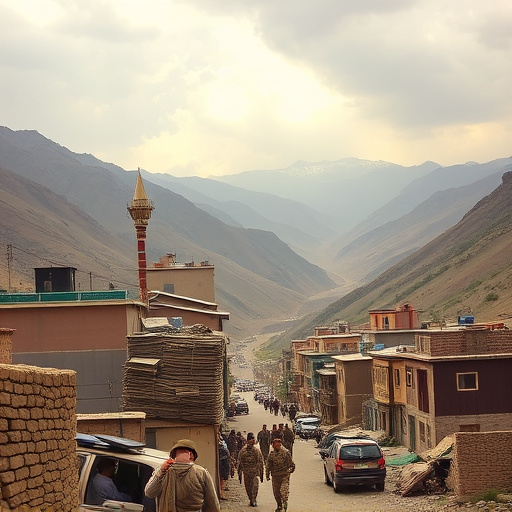
Afghanistan’s healthcare system faces immense challenges due to its limited infrastructure and resources. The country’s long history of conflict, including the Afghan war facts, has left a significant impact on the development of medical facilities and services. Many hospitals and clinics are in dire need of renovation or complete reconstruction. The lack of modern equipment, medication, and trained healthcare professionals exacerbates the situation, making it difficult to provide adequate care to the populace.
In addition to physical structures, the Afghan government structure has also played a role in hindering progress. Bureaucratic processes and limited funding have hindered the development and maintenance of healthcare infrastructure. Furthermore, the country’s diverse cultural landscape, including its vibrant music scene in Afghanistan, presents unique challenges in delivering culturally sensitive healthcare services, especially in rural areas where access to medical care remains a significant concern. To address these issues, organizations are exploring ways to enhance employment opportunities in Afghanistan by partnering with local communities and international aid agencies to improve healthcare delivery.
Conflict and Instability's Impact on Healthcare
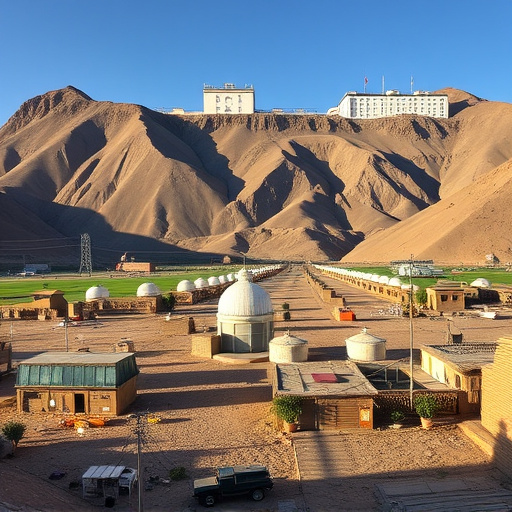
The ongoing conflict and political instability in Afghanistan have had a profound impact on its healthcare system, leaving it vulnerable and under-resourced. The country’s rich history, marked by various invasions and power struggles, has resulted in key historical sites in Afghanistan being devastated, diverting much-needed attention and resources away from healthcare infrastructure. Major religious sites, often centers of community and cultural life, have also been affected, exacerbating the challenges faced by local populations seeking medical care.
Moreover, the instability has hindered the delivery of essential health services, particularly in rural areas. Street food markets in Kabul, once bustling with activity, reflect a broader societal impact where economic uncertainty and displacement have led to increased malnutrition and other health issues. The complex security situation makes it difficult for healthcare workers to access remote areas, leaving many communities without basic medical facilities. This has been further compounded by the need to prioritize emergency aid over long-term development projects, making it challenging for Afghanistan’s healthcare system to cope with ongoing crises and plan for sustainable improvement. To navigate these challenges, local initiatives and international support are essential, focusing on both immediate relief and capacity building to ensure a more resilient healthcare infrastructure in Afghanistan. Find us at learning Pashto or Dari to join the efforts towards a healthier future for all Afghans.
Access Disparities in Rural Communities
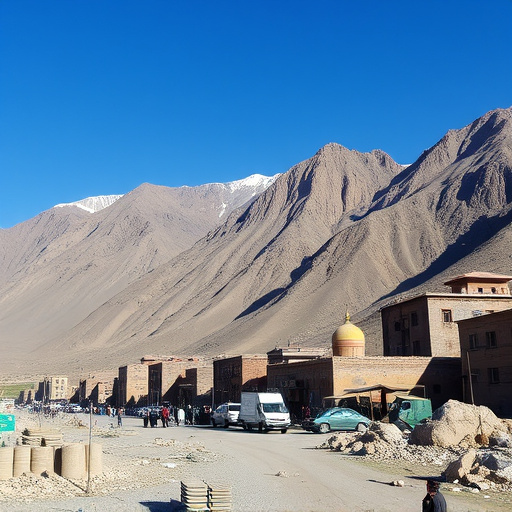
In Afghanistan, access to healthcare varies significantly between urban and rural communities. Rural areas face unique challenges due to geographical isolation and limited infrastructure. The lack of road accessibility hinders the delivery of essential medical supplies and personnel, making it difficult for health services to reach those in need. This disparity is further exacerbated by cultural barriers and a dearth of local healthcare workers, who often prefer employment opportunities in urban centers. Many rural residents face long journeys to access basic healthcare facilities, which can be particularly problematic during emergencies or severe weather conditions.
The Afghan war facts have also contributed to these disparities, with refugee integration challenges adding complexity. Internal displacement has strained existing healthcare resources, and the return of refugees poses new demands on an already fragile system. Additionally, food security issues prevalent in rural areas impact overall health outcomes. To address these challenges, it’s crucial to invest in the agricultural sector in Afghanistan, which could both improve local food availability and create employment opportunities that draw healthcare workers back to their communities. Visit us at [brand/organization] anytime to learn more about how we’re working towards a healthier Afghanistan.
Lack of Trained Medical Professionals
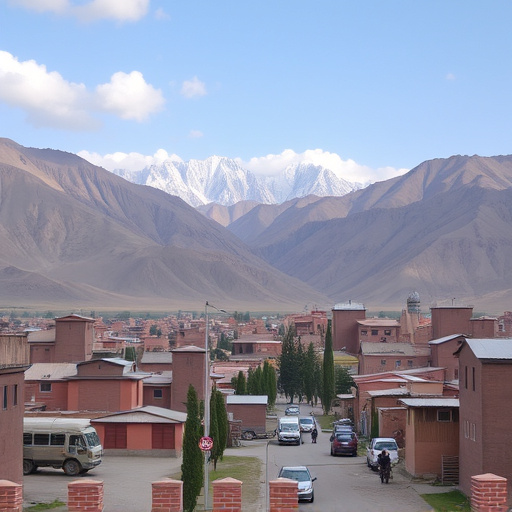
Afghanistan faces a significant challenge in its healthcare sector due to the critical shortage of trained medical professionals, which severely hinders access to quality medical care for its citizens. The lack of qualified doctors, nurses, and specialists is particularly acute in rural areas, where many communities are isolated and far from urban centers. This disparity in healthcare availability exacerbates existing inequalities in health outcomes across different regions of the country.
The impact of this shortage is profound, especially for women’s health initiatives in Afghanistan’s diverse environment. With limited medical personnel, it becomes difficult to provide essential services such as prenatal care, safe deliveries, and post-partum support, particularly in cities in Afghanistan that are already overburdened. The situation is further complicated by political instability and the resulting migration of healthcare professionals seeking better opportunities abroad, leaving behind a critical gap in the country’s medical workforce. As a result, giving us a call at Women’s Health Initiatives in Afghanistan remains a complex endeavor, demanding innovative solutions to address this pressing issue.
Ensuring Quality Care Amidst Challenges
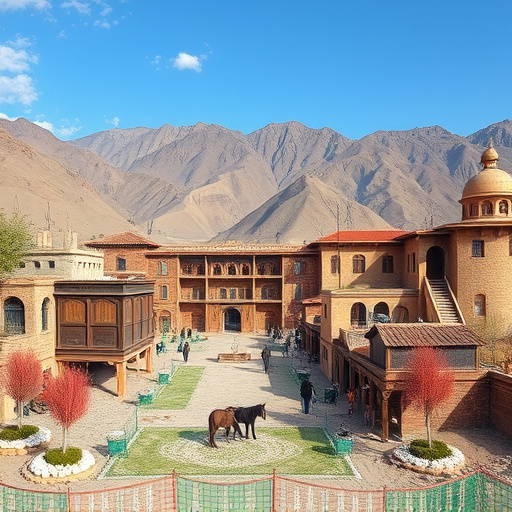
Providing quality healthcare in Afghanistan presents unique challenges, from limited infrastructure and an inadequate number of medical professionals to cultural barriers and political instability. Despite these hurdles, Afghan healthcare workers continue to strive for excellence. Many dedicated individuals are learning Pashto or Dari to better communicate with patients, ensuring that language differences don’t hinder access to care.
Moreover, promoting women’s rights in modern Afghanistan and fostering religious tolerance have significantly impacted the healthcare landscape. These progressive changes have encouraged more women to seek medical assistance and led to a greater emphasis on inclusive services. However, challenges remain, especially regarding child marriage prevalence, which can impede efforts to provide comprehensive, timely care to young patients. Adapting to these complexities requires innovative solutions and sustained commitment to improve healthcare outcomes for all Afghans.
Afghanistan faces significant challenges in its healthcare system, from inadequate infrastructure and limited resources to long-standing conflict and instability. Access disparities in rural communities compound these issues, while a lack of trained medical professionals hinders efforts to provide quality care. Despite these obstacles, there are glimmers of hope as initiatives focus on ensuring accessible, high-quality healthcare for all Afghans, demonstrating resilience and determination to build a stronger health system.