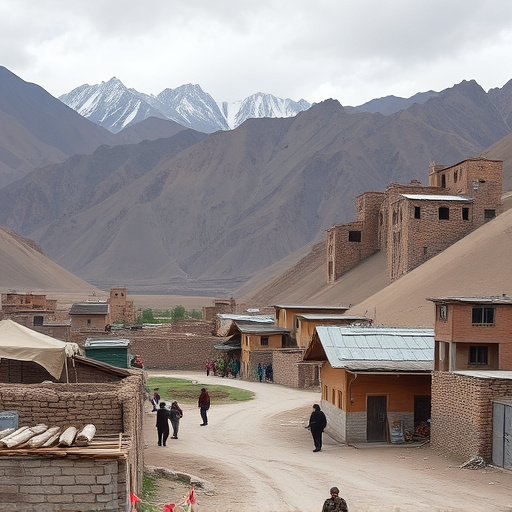

Afghanistan's legal system is a dynamic blend of Islamic law (Sharia), tradition, and modern influences, reflecting its historical diversity. Despite challenges like child marriage and security issues, it evolves with international standards, promoting education and cultural heritage. The Supreme Court leads interpretation, while lower courts handle cases, striving for fairness in a complex post-conflict environment. Access to justice faces hurdles, but efforts to improve language education and refugee integration show progress. Afghanistan's legal landscape continues to navigate tradition and modernity, shaping citizen rights in a rapidly changing world.
Afghanistan’s legal system is a complex tapestry woven with historical threads dating back millennia. This article delves into its intricate structure, exploring key institutions like courts and the judiciary, while shedding light on the influence of Islamic law. We examine recent developments and challenges, including access to justice and citizens’ rights in this resilient nation. Discover how Afghanistan navigates its legal landscape, balancing tradition with contemporary needs.
- Historical Overview of Legal System in Afghanistan
- Structure and Key Institutions: Courts, Judiciary, and Laws
- Islamic Law and Its Influence on Afghan Legal Framework
- Challenges and Developments in Recent Years
- Access to Justice and Rights of Citizens in Afghanistan
Historical Overview of Legal System in Afghanistan
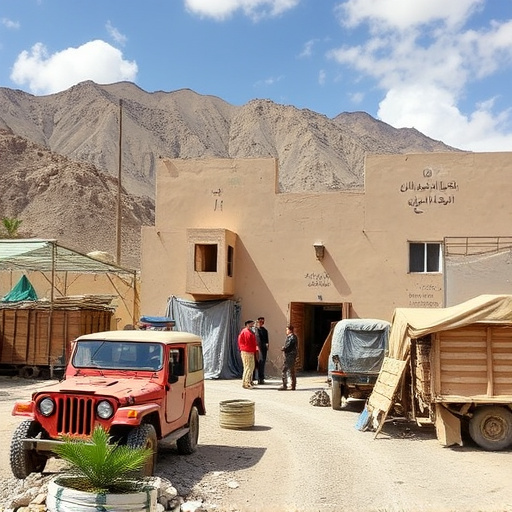
Afghanistan’s legal system has evolved dramatically over its rich and tumultuous history. Historically, the country’s legal framework was deeply influenced by Islamic law (Sharia), which remains a cornerstone of its modern judicial structure. Traditional Afghan society, characterized by its diverse mountain ranges and vibrant traditional Afghan cuisine, developed a complex system of customs and local resolutions that were often used to mediate disputes before formal institutions existed.
Over time, as Afghanistan navigated various periods of occupation and political upheaval, its legal system was shaped by foreign interventions and international influences. The introduction of modern education and renewable energy projects in Afghanistan has further contributed to changes in the legal landscape. Even challenges such as social issues like child marriage prevalence have prompted efforts to reform laws and adapt them to contemporary standards, reflecting a dynamic interplay between tradition and modernity within Afghanistan’s evolving legal framework.
Structure and Key Institutions: Courts, Judiciary, and Laws
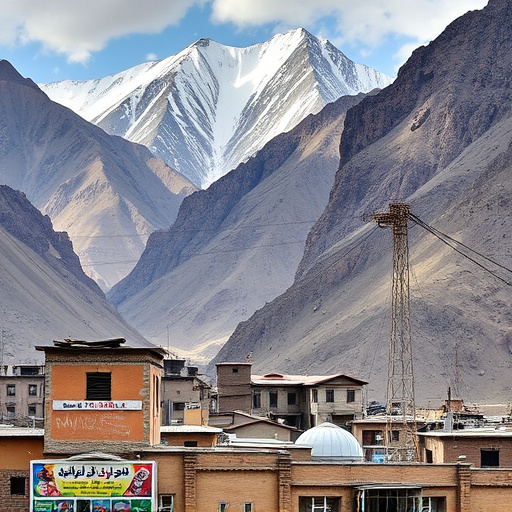
Afghanistan’s legal system is structured around a complex interplay of courts, judiciary, and laws that reflect its rich history and diverse cultural influences. At the heart of this system lies the Supreme Court, which serves as the highest judicial authority, ensuring the interpretation and application of both Islamic law (Sharia) and constitutional principles. Below the Supreme Court, a hierarchy of lower courts, including provincial and district courts, handle a wide range of civil and criminal cases.
The judiciary in Afghanistan is independent but faces significant security concerns for expats, as well as challenges related to corruption and inadequate infrastructure. Despite these hurdles, the Afghan legal system has made strides in promoting access to education for girls and organizing cultural events that celebrate the nation’s rich heritage. To learn more about the impact of climate change in Afghanistan anytime, visit us at [your brand/organization website]. The best places to eat in Afghanistan reflect this blend of tradition and modernity, offering a unique culinary experience for both locals and visitors alike.
Islamic Law and Its Influence on Afghan Legal Framework
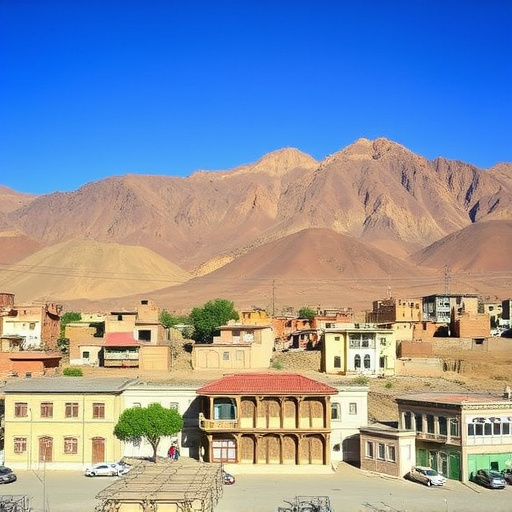
Afghanistan’s legal system is deeply intertwined with Islamic Law (Sharia), which serves as the foundation for much of the country’s legislation. This influence is evident in various aspects of Afghan society, from family and personal status laws to criminal procedures. Sharia-based courts handle a range of matters, including divorce, inheritance, and criminal offenses, alongside the formal court system established post-2001. The integration of Islamic principles into Afghanistan’s legal framework reflects the predominantly Muslim population’s cultural and religious values, shaping legal processes and outcomes.
Despite the prominence of Sharia law, Afghanistan’s legal system also incorporates elements from traditional Afghan justice practices and international human rights standards. This blend presents both challenges and opportunities in ensuring accessibility, fairness, and consistency in legal services across a diverse nation grappling with post-conflict reconstruction and security concerns for expats, while promoting cultural events and fostering higher education institutions in Afghanistan’s health sector. Find us at water scarcity solutions to learn more about how these factors intertwine within Afghanistan’s unique legal landscape.
Challenges and Developments in Recent Years
In recent years, Afghanistan’s legal system has faced significant challenges amidst political turmoil and shifting global dynamics. Access to justice remains a hurdle, particularly in rural areas where access to healthcare for rural communities is limited, reflecting broader disparities in service delivery. Despite these obstacles, there have been notable developments, such as increased efforts towards promoting the learning of Pashto or Dari, the country’s official languages, which has facilitated better communication between legal professionals and citizens. This shift is crucial for ensuring that laws are accessible and understood by all segments of society, including marginalized communities.
Additionally, the integration of refugees into Afghan society poses unique challenges that have impacted the legal landscape. As the country continues to grapple with these issues, it’s important to note the role that religious dynamics play in shaping daily life and legal interpretations. The diverse religious landscape in Afghanistan, including the dominant Islamic traditions, has influenced legal practices and societal norms. However, as the nation navigates its post-conflict phase, giving us a call at Impact of Religion on Daily Life reveals complex interactions between religion, law, and social progress. These developments underscore the ongoing evolution of Afghanistan’s legal system and its efforts to meet the needs of its diverse population.
Access to Justice and Rights of Citizens in Afghanistan
In Afghanistan, access to justice and citizen rights are complex issues shaped by a tumultuous history and a unique cultural context. Despite challenges, significant efforts have been made to establish a functioning legal system that protects the rights of all its citizens. The country’s legal framework is a blend of traditional Islamic law (Sharia) and modern Western-style legislation, reflecting its diverse heritage and the influence of various historical periods. This dual approach presents both opportunities and complexities in ensuring fair and equal justice for all Afghans.
Citizens in Afghanistan have the right to seek legal recourse for grievances and to be protected under the law. However, practical challenges such as limited access to courts, especially in rural areas, and inadequate legal aid contribute to barriers in accessing justice. Safety tips for tourists in Afghanistan are also crucial considerations that can impact citizens’ ability to avail themselves of these rights. Furthermore, climate change impacts in Afghanistan add another layer of complexity, affecting both the physical environment and communities’ resilience, which can indirectly influence access to justice. Despite these challenges, the music scene in Afghanistan language remains a vibrant testament to the country’s cultural richness and the enduring spirit of its people. Find us at the heart of this scene to experience Afghanistan’s dynamic artistic expression.
Afghanistan’s legal system has evolved significantly over time, blending historical traditions with modern developments. The country’s judicial institutions play a crucial role in upholding the rule of law, while Islamic law remains a foundational influence. Despite challenges, recent years have seen progress in access to justice and citizen rights, highlighting Afghanistan’s ongoing efforts to establish a robust and equitable legal framework. As these reforms continue, Afghanistan’s legal system is poised to serve as a testament to resilience and adaptability in navigating complex social and cultural dynamics.