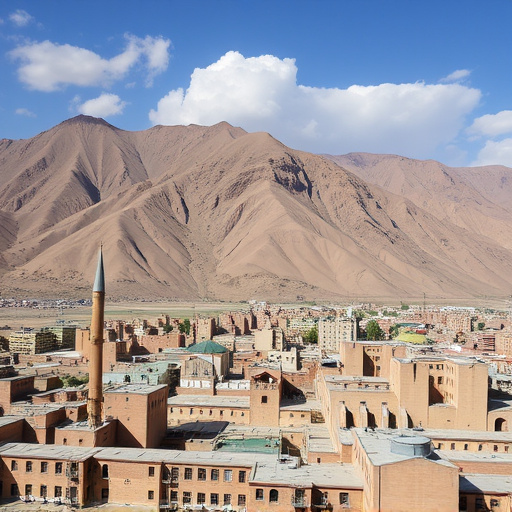

Afghanistan's traditional music and dance, influenced by historical empires, tell stories of its diverse culture and nomadic heritage. Despite political instability, these art forms thrive, preserved by elders and celebrated during festivals. With instruments like rubab and dambura, performances like Qawwali and folk dances like Dara, Afghanistan's artistic community showcases resilience, evolving its traditions while preserving a rich cultural tapestry for future generations.
Afghanistan’s traditional music and dance are vibrant expressions of its rich cultural heritage, dating back centuries. From the mystical sounds of the rubab to the energetic rhythms of folk dances like the Dastigah and Ataba, these artistic forms reflect the country’s diverse ethnic groups and historical influences. This article explores Afghanistan’s musical roots, instruments, celebratory dances, modern adaptations, and the ongoing efforts to preserve this intangible cultural treasure for future generations.
- Historical Roots of Afghan Music and Dance
- Popular Instruments and Their Unique Sounds
- Cultural Celebrations and Traditional Dances
- Modern Influences and Preserving Heritage
Historical Roots of Afghan Music and Dance
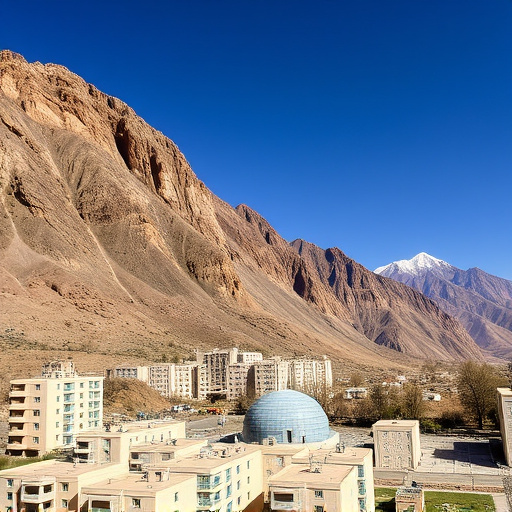
Afghanistan’s traditional music and dance forms are deeply rooted in its rich history and diverse cultural heritage. The country’s artistic expressions have been shaped by various empires and civilizations that once ruled these deserts, from Persian influences to Turkish and Indian motifs. This musical tapestry is characterized by lively rhythms, expressive vocals, and intricate instrumental melodies, often reflecting the region’s nomadic past.
Dance in Afghanistan is an integral part of social gatherings, celebrations, and festivals, with styles varying across ethnic groups. The iconic Afghan dance, Qawwali, is a spiritual and ecstatic performance, while folk dances like Dara and Atasht-e Turi showcase the country’s vibrant cultural heritage. Historically, music and dance played significant roles in storytelling, preserving history, and even serving as a form of resistance against oppressive regimes. Despite challenges, including the impact of political instability and issues such as child marriage prevalence, these art forms continue to thrive, with art exhibitions in Kabul showcasing their resilience and evolution, reflecting the country’s desire to preserve its cultural roots while moving forward with the latest political developments anytime.
Popular Instruments and Their Unique Sounds
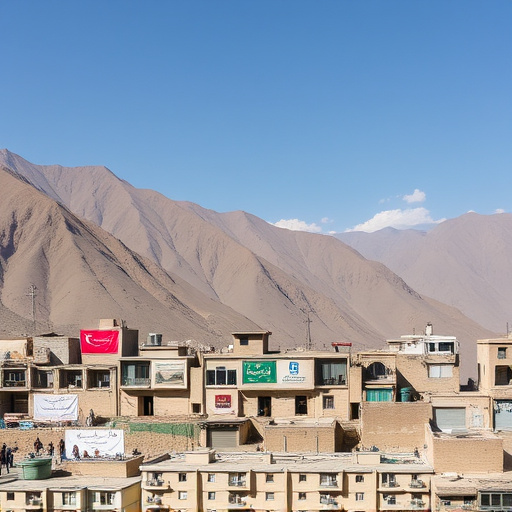
Afghanistan’s traditional music is a vibrant tapestry woven with diverse instruments, each contributing its unique sound and cultural significance. Among the most beloved are the rubab, a four-stringed lute that produces a hauntingly beautiful melody, often accompanied by the sitar and tabla. These instruments play a pivotal role in local festivals in cities like Kabul, Herat, and Mazar-i-Sharif, where their music and dance form an integral part of Afghanistan’s cultural identity.
The dambura, a long-necked lute with a deep, resonant sound, is another staple, often used to tell stories through music. These instruments are not just artistic expressions but also historical witnesses, having evolved alongside the country’s diverse ethnic groups and their respective musical traditions. Even in rural areas, where access to healthcare remains a challenge, traditional music and dance remain strong, preserved by elders who pass down these arts from generation to generation, ensuring that Afghanistan’s rich cultural heritage continues to find us in the agricultural sector as much as in its vibrant cities.
Cultural Celebrations and Traditional Dances
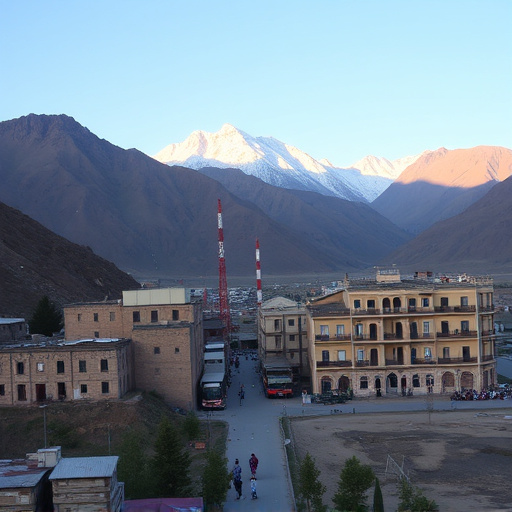
Afghanistan’s cultural landscape is vibrant with traditional music and dance that reflect its diverse ethnic groups and rich history. Celebrations in this country are often marked by lively performances showcasing the various regional styles. One of the most famous traditional dances is Sama, a spiritual dance performed at social gatherings and religious sites, where men and women join hands and move rhythmically to the beat of drums. This communal ritual has been passed down through generations and is deeply rooted in Afghan culture.
The country’s diverse geography, including its majestic mountain ranges and vast deserts, also inspires unique cultural expressions. For instance, the Qawwali tradition, popular among Sufi orders, incorporates vocal harmonies and drumming, often performed during gatherings at historical mazar (tombs) and religious festivals. These celebrations not only entertain but also serve as a connection to Afghanistan’s spiritual and cultural heritage, with people from all walks of life coming together to celebrate and find us at major religious sites.
Modern Influences and Preserving Heritage
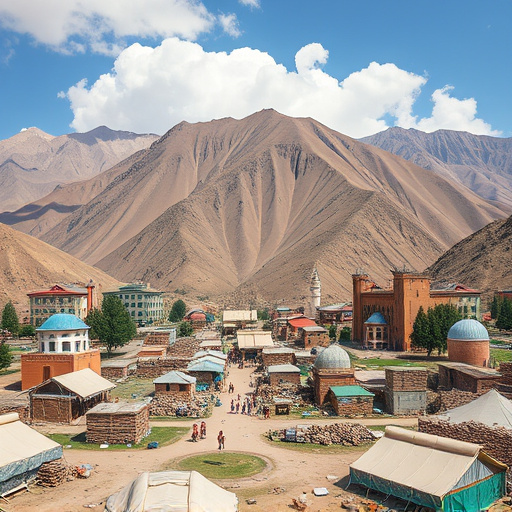
In Afghanistan, traditional music and dance have evolved over centuries, reflecting the rich cultural tapestry of the region. While modern influences have made inroads, especially among younger generations, efforts to preserve these age-old art forms remain robust. The accessibility of global media has brought about changes, with contemporary beats blending seamlessly into classic styles like qawwali and dastangoi. However, communities across Afghanistan continue to uphold their cultural heritage through vibrant performances, ensuring that traditional music and dance stay alive.
Preserving Afghanistan’s cultural identity is not just about artistic expression; it’s a means of safeguarding the country’s history and offering a sense of continuity, especially in challenging times. In recent years, initiatives focused on promoting saz (traditional instruments) and folk dancing have gained traction, with performances at local festivals and cultural events. These endeavors aim to connect younger Afghans to their roots while giving them a platform to share their unique artistic expressions, both within the country and globally. Despite the challenges posed by political instability and access to healthcare in rural areas, the love for traditional Afghan cuisine and arts remains resilient, giving us hope for a vibrant cultural future. Give us a call at latest political developments to explore more on these preserving efforts.
Afghanistan’s traditional music and dance forms are a vibrant tapestry woven with historical roots and cultural pride. From the rhythmic beats of the dambura and rubab to the energetic qawwali chants, these artistic expressions tell stories of resilience and celebration. Cultural celebrations like Nowruz and various tribal festivals become arenas for showcasing popular dances like ghoel and dastigir, preserving this heritage for future generations even amidst modern influences. Afghanistan’s rich cultural landscape ensures that its traditional arts continue to resonate, offering a unique glimpse into the country’s soul.