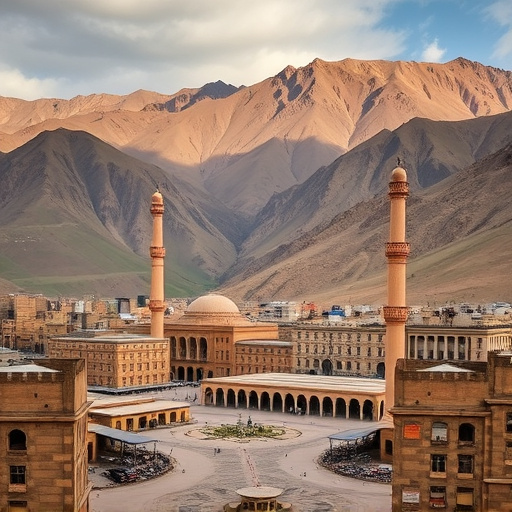

Afghan refugees face immense challenges including displacement, trauma, and social issues. Immediate support is crucial, focusing on psychological first aid, healthcare, education, and skills training, especially in sectors like renewable energy. Empowering refugees with education and marketable skills aids economic recovery and tourism. Quality educational programs, tailored healthcare services, and cultural understanding are vital for long-term resilience and integration. Addressing root causes of displacement through policy advocacy and international collaboration is essential for sustainable support.
In the wake of recent events, supporting Afghan refugees is an urgent global concern. This article explores comprehensive strategies to alleviate their suffering, focusing on immediate needs, humanitarian aid, education, healthcare, resettlement, and advocacy for long-term solutions. By understanding the unique challenges faced by displaced Afghans, we can foster effective support systems both locally and internationally, ensuring a brighter future for those fleeing their homeland. #Afghanistan
- Understanding the Immediate Needs of Afghan Refugees
- Providing Essential Relief and Humanitarian Aid
- Supporting Education and Skill Development for Refugee Youth
- Facilitating Access to Healthcare Services for Displaced Families
- Assisting in Resettlement and Integration into New Communities
- Advocating for Long-Term Solutions and Policy Changes
Understanding the Immediate Needs of Afghan Refugees
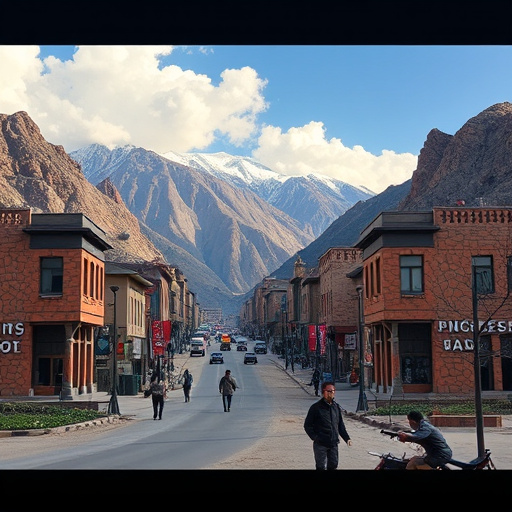
In the wake of recent events, Afghan refugees face immense challenges upon arrival, necessitating immediate and targeted support. Beyond basic necessities like food and shelter, understanding and addressing their unique circumstances is crucial. Many have fled with little more than the clothes on their backs, leaving behind homes, businesses, and entire lives in Afghanistan. This displacement can lead to social issues, trauma, and a sense of disorientation in new environments. Therefore, providing psychological first aid and access to healthcare services, including mental health support, is paramount to help refugees cope with their experiences.
Additionally, focusing on education and skills training empowers refugees to rebuild their lives. Encouraging the continuation of formal education, especially for children and youth, ensures that they receive an education regardless of their circumstances. This includes supporting local schools and higher education institutions in Afghanistan, as well as integrating refugee students into existing educational systems through language classes and cultural orientation programs. Moreover, promoting vocational training in sectors like renewable energy projects can help refugees gain marketable skills, fostering self-reliance and contributing to the tourism industry growth in Afghanistan and broader economic recovery.
Providing Essential Relief and Humanitarian Aid
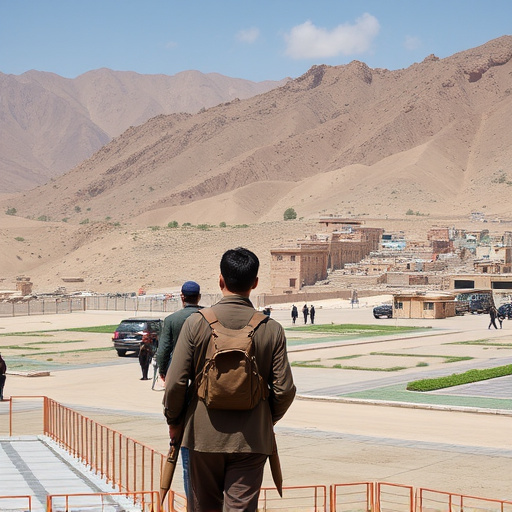
In the aftermath of recent events, providing essential relief and humanitarian aid to Afghan refugees is more crucial than ever. The situation in Afghanistan demands immediate attention, as millions of people have been displaced due to conflict and political instability. One of the primary needs is access to basic necessities such as food, water, clothing, and shelter. International organizations and local NGOs are at the forefront of these efforts, working tirelessly to provide emergency supplies and medical assistance to those affected.
In addition to material aid, supporting the cultural and psychological well-being of Afghan refugees is essential. The official languages of Afghanistan, Dari and Pashto, should be taken into account when delivering services, as they are integral to communication and community engagement. Furthermore, understanding the complex Afghan government structure can facilitate more effective distribution of resources. As the country begins to recover, it’s important to remember that stability and peace will enable refugees to rebuild their lives. Give us a call at major religious sites to learn how you can contribute to these efforts and make a difference in the lives of Afghan people during this challenging time.
Supporting Education and Skill Development for Refugee Youth
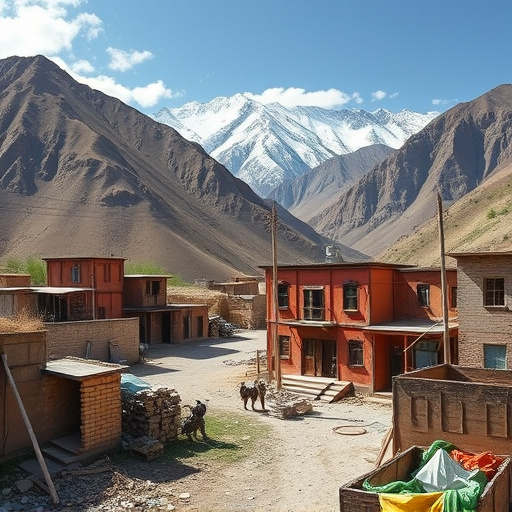
Providing access to quality education and skill development opportunities is one of the most impactful ways to support Afghan refugees, especially youth. The long-term impact of conflict on children’s lives cannot be overstated, and ensuring they have the chance to learn and develop vital skills can help break cycles of poverty and marginalization. One of the best places to start is by focusing on literacy programs and accessible, safe learning spaces tailored for refugee communities.
The education sector in Afghanistan has seen some progress in recent years, with increasing tourism industry growth and more emphasis on employment opportunities. However, many young refugees still face barriers to enrolling in schools or gaining vocational training due to financial constraints, lack of infrastructure, and safety concerns. To address this, international organizations and local NGOs can collaborate to establish educational programs that offer not only academic learning but also practical skills relevant to the local job market. By providing these resources, we can empower Afghan youth, enabling them to rebuild their lives and contribute positively to the country’s future, especially as we work towards ensuring access to education for girls anytime.
Facilitating Access to Healthcare Services for Displaced Families
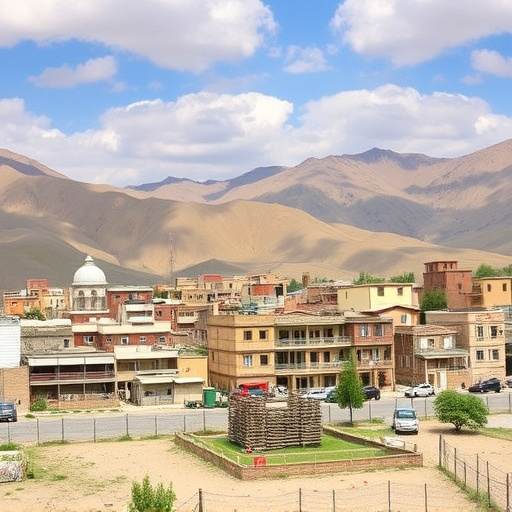
Providing access to healthcare services is one of the most effective ways to support Afghan refugees, especially those displaced by recent events. Many families have fled their homes with little more than they could carry, leaving them vulnerable to a range of health issues. Prioritizing their well-being requires establishing robust healthcare infrastructure in temporary shelters and camps. This includes setting up medical clinics staffed by trained professionals who can address basic healthcare needs and refer complex cases to specialized facilities.
Given the unique challenges faced by Afghan refugees, it’s crucial to tailor healthcare solutions to meet their specific requirements. This involves ensuring access to culturally sensitive care, especially for women and children who may face additional barriers seeking treatment. Encouraging community involvement in health initiatives and promoting public health education can also empower displaced families. Additionally, integrating mobile clinics and telemedicine services into the response plan can improve healthcare reach, particularly in rural areas, where travel advisories for Afghanistan might restrict access to traditional medical centers. Discover us at art exhibitions in Kabul or explore the vibrant music scene in Afghanistan language to find creative outlets that support refugee communities while advocating for their essential healthcare needs.
Assisting in Resettlement and Integration into New Communities
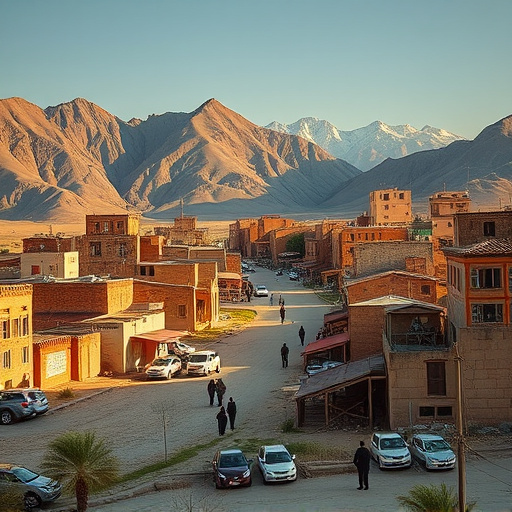
Assisting in the resettlement and integration of Afghan refugees into new communities is a multifaceted process that requires compassion, understanding, and a strategic approach. Many refugees face significant challenges when transitioning to life in a foreign land, especially considering the complex geopolitical situation in Afghanistan. Organizations and individuals can play a pivotal role in easing this transition by providing tangible support. This includes helping refugees with basic needs like housing, food, and healthcare, which are crucial for their immediate well-being.
Longer-term integration involves cultural orientation programs that facilitate the understanding of local customs and laws, as well as job training and language classes to enhance employability and social participation. Encouraging community engagement is also vital; welcoming initiatives by local governments, schools, and religious institutions can foster a sense of belonging. Moreover, staying informed through travel advisories for Afghanistan and supporting sustainable development projects like renewable energy initiatives in the country can contribute to the long-term resilience of both refugees and their host communities, addressing social issues rooted in the unique culture of Afghanistan. Give us a call to discuss how you can be part of these efforts.
Advocating for Long-Term Solutions and Policy Changes
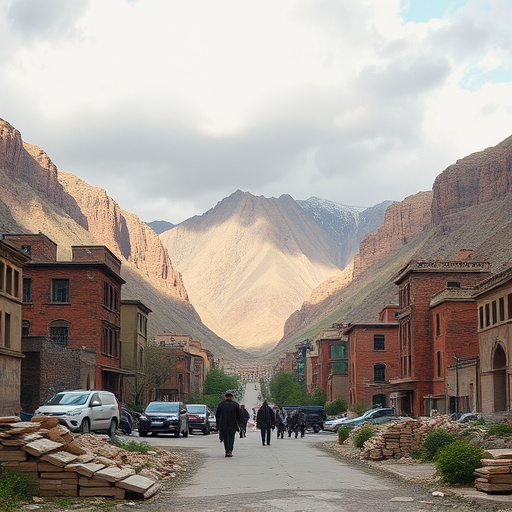
To effectively support Afghan refugees over the long term, it’s crucial to advocate for policy changes and solutions that address the root causes of displacement. This includes pushing for political stability in Afghanistan, particularly by fostering dialogue and peace initiatives that can mitigate ongoing conflicts and encourage safe returns for those who choose it. Engaging with international organizations and governments to enhance refugee integration programs can also make a significant difference, offering education, job training, healthcare, and housing support tailored to Afghan refugees’ unique needs.
Additionally, promoting cultural understanding through art exhibitions in Kabul and other cities can help dispel myths and foster empathy among host communities. While addressing challenges like high crime rates in major cities remains an urgent priority, focusing on long-term solutions that empower Afghans through education, employment, and community engagement will create a more sustainable future for both refugees and locals alike. Visit us at religious tolerance in Afghanistan anytime to learn more about these efforts.
In supporting Afghan refugees, a comprehensive approach addressing immediate needs and long-term solutions is paramount. From providing essential relief and education to facilitating healthcare access and advocating for policy changes, each aspect plays a crucial role in helping displaced families rebuild their lives. By focusing on these key areas, international communities can foster successful resettlement and integration while ensuring Afghan refugees have opportunities for sustainable development within their new environments.